AmericanParagliding


Paramotoring and    
Powered Paragliding    

 Why?   Gliders   Packages   Products   Used   Dealers   Weather 

USPPA Training Standards


Training Standards

These standards are meant to be a guide to instructors in an effort to reduce risk to the student and improve learning. USPPA instructors are asked to adhere to these standards whenever training students towards a USPPA rating. Additionally they are asked to agree to the Instructor Commitment.


Training Methods

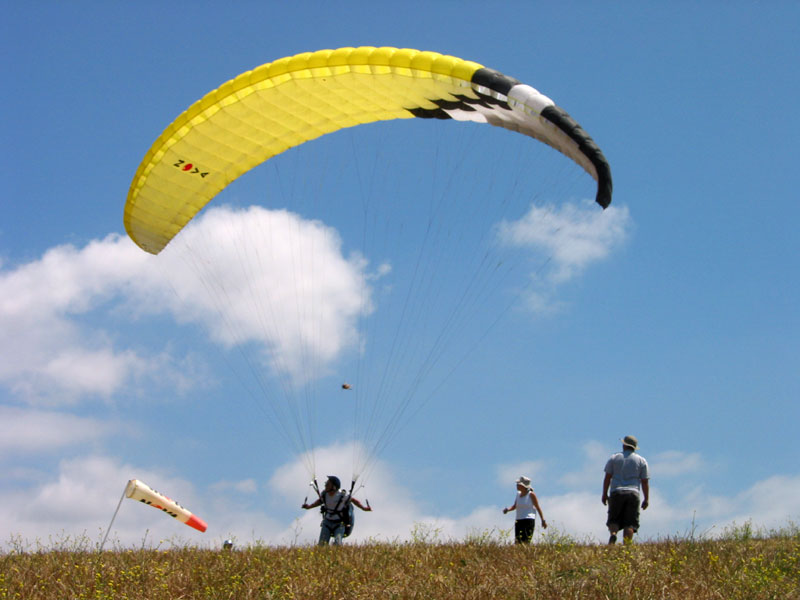
It is recognized that students for initial ratings must be brought up to speed gradually. That requires either towing, hill launches, tandems or other means to get the student in flight with minimum risk.

It is necessary for initial students to follow a certain order and acquire minimum skills before being allowed to solo using a motor. Ground handling must be at least to PPG1 levels and the first flights should either be off of a hill, towed or a tandem flight. Training should avoid ground handling only followed by motored flight.

Training Equipment

If tows are used there must be sufficient knowledgeable folks to operate the tow system. At minimum this is a tow operator who is certified by USHGA, USPPA or has equivalent knowledge. Towing can be extremely dangerous, especially when using a “turnaround” pulley which is best only used for very low tows, less than 10 feet, and only be experienced tow operators using industry standard safety practices.

Radios are very important if the student is leaving the ground. Ideally the student would be able to talk with the instructor but at minimum he should be able to hear the instructor.

Radios become even more important for solo students who are not yet rated.

For high flights, especially if any turbulence is present, it is preferable if the student is equipped with a reserve. For flights using no motor, a harness with some back protection is desirable.

Training Time

There are a minimum number of days of training for each rating. For a PPG2 rating a minimum of 5-7 days is required (including the time spent on the PPG1 rating) for the amount of information to be learned. This helps insure that the student flies in enough different conditions and gets enough repetition to really learn the material.

Maneuvers

Spot landings should only be allowed to count providing they are done safely. The idea is to prevent low altitude maneuvering that has proven to be dangerous and precludes turns below 80 feet or excessive brake use until a normal flare. Also the pilot must land, and remain on their feet with no other part of their body or any part of their machine touching the ground.


 Why?   Gallery   Products   Used   Dealers   Weather 
American Paragliding Home Page

Contact Us:
info@americanparagliding.com


All the information and images published in this website are property of AmericanParagliding.com unless stated otherwise.
Reproduction of any part of these contents (info, graphics & pictures) by other website or media is strictly forbidden,
unless specially authorized by AmericanParagliding.com
© AmericanParagliding 2002– 2025
Please respect the rights and intellectual property of this Web site.

We apologize, but due to the fluctuation in the dollar exchange rate, many of our suppliers are unable to provide us with consistent pricing on the products we purchase from them. Therefore we must also state that prices are subject to change without notice. However, be assured, when you place an order we will contact you for approval before processing any product purchase at a different price than what is stated on the web.

DISCLAIMER: Please read and be sure you thoroughly understand this disclaimer before flying an ultralight aircraft. Paramotors, Powered Paragliders, PPG, PPG Trikes, Hang Glider Trikes, Weight shift Control Trikes - any of these small aircraft that weight less than 254 pounds and have a tank less than 5 gallons are considered Ultralights. These are single-place (solo) flying machines for sport aviation only during daylight hours. Ultralight flying is an extremely demanding sport requiring exceptional levels of attention, judgment, maturity and self discipline. It is unlikely that you will be able to participate in it safely unless you make a conscious and continual commitment to your own safety. Ultralight aircraft flying is an inherently dangerous sport and may result in injury and death even when practiced by a competent pilot using proper equipment. Ultralights are not covered by product liability insurance, nor have they been designed manufactured or tested to any federal or state government airworthiness standards or regulations. Do not fly them unless you are willing to assume personally all risks in the sport of ultralight flying, and all responsibility for any property damage, injury, or death which may result from your use of this activity. Safe operation of any ultralight aircraft requires a pilot proficiency equivalent to that of a Novice Solo Pilot or in some cases a BFI (Basic Flight Instructor), as well as an equivalent level of knowledge and understanding of those wind and weather conditions which may compromise the pilot's safe control of the ultralight. In particular, be advised that gusty winds or turbulent conditions may interfere with even an expert pilot's ability to safely control an ultralight aircraft, and may cause it to crash. Never take anything for granted in aviation. If you are in doubt about anything, stop and figure it out immediately. By purchasing this item, you assume sole responsibility for your safety and hold harmless the retailer and manufacturer for injury or death resulting from your use of this item.


Answers to Test